
In this article
Protein is on everything now. Chips. Cookies. Coffee. Water. You can walk into a gas station and find an entire meal marketed around how many grams of protein are in it.
I’m a huge fan of protein. I drink protein shakes. We have our own HollyFit protein. But putting a protein number on the front of a package doesn’t tell me whether that food makes sense for your goals.
That was the conversation Nevy and I kept coming back to on the EYP pod. He asked me about protein requirements, whole foods, supplements, and my top three protein powders. We got into all of it. And underneath almost every answer was the same practical issue: people are putting a lot of effort into hitting a number without putting enough effort into the plan around it.
You can hit your protein goal and still have a diet that needs work. You can buy an expensive powder and still be inconsistent in the gym. Before we debate which tub is the best, I want to know what your meals and training actually look like.
Protein and strength training work together
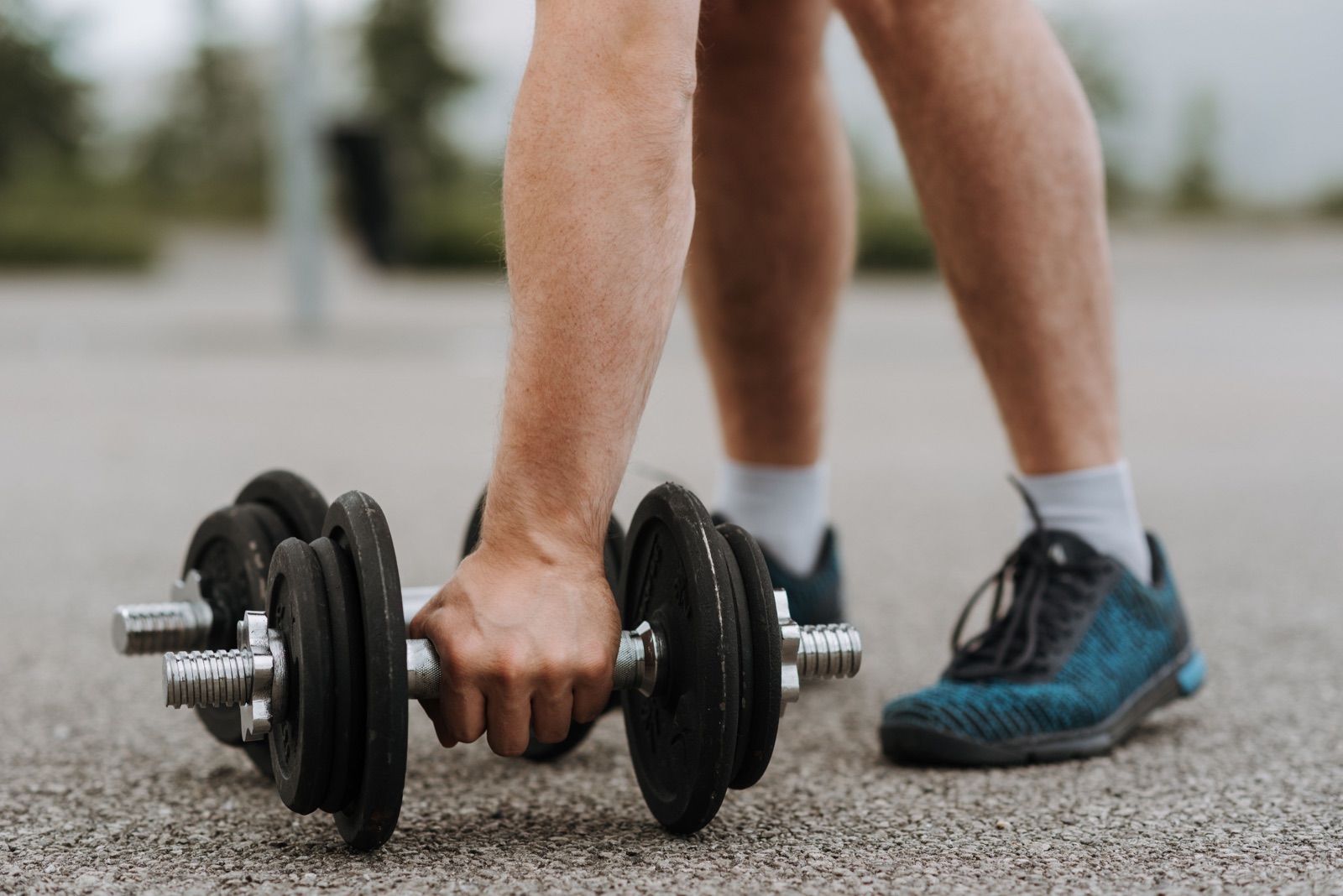
Nevy gave me an example of a friend who walks every day and plays basketball a few times a week, but doesn’t lift weights. My response was to keep those activities and add strength training. I’m never going to discourage someone from walking or playing a sport they enjoy. I also want them doing something that challenges their strength.
Protein helps support muscle maintenance and recovery. Strength training gives those muscles something to respond to. They work together. Drinking another shake does not replace that work.
Your body still needs protein on rest days, too. You may be recovering from yesterday’s session, and protein has jobs throughout the body beyond building bigger muscles. A day off from lifting is not a reason to neglect it.
Know your body
This is also why I don’t like giving everybody the exact same target and pretending we’ve built a nutrition plan. Your size, age, training, goals, health, and total food intake all matter. So does whether you can consistently eat the meals we’re asking you to eat.
Dr. Harrington says it all the time: know your body. KYB.
That means paying attention over time. How are you recovering? How is your training going? Are you tolerating your meals? Are you maintaining strength while your weight changes? A useful plan gives you something to follow and something to evaluate. Constantly changing the target because you saw a different number online makes that harder.
If you’re taking a GLP-1 and your appetite is way down, this deserves extra attention. Getting enough nutrition can become harder when you don’t feel like eating. Protein matters, but so do the rest of your food, hydration, and strength training. Smaller meals or a shake may help you meet your needs. Forcing a huge shake through nausea is a reason to adjust the plan with your care team. The joint nutrition advisory on GLP-1 treatment emphasizes adequate nutrition and resistance training together.
Build your meals around real food
For my own meals, I like keeping the food pretty simple.
Chicken breast. Shrimp. Sirloin steak.
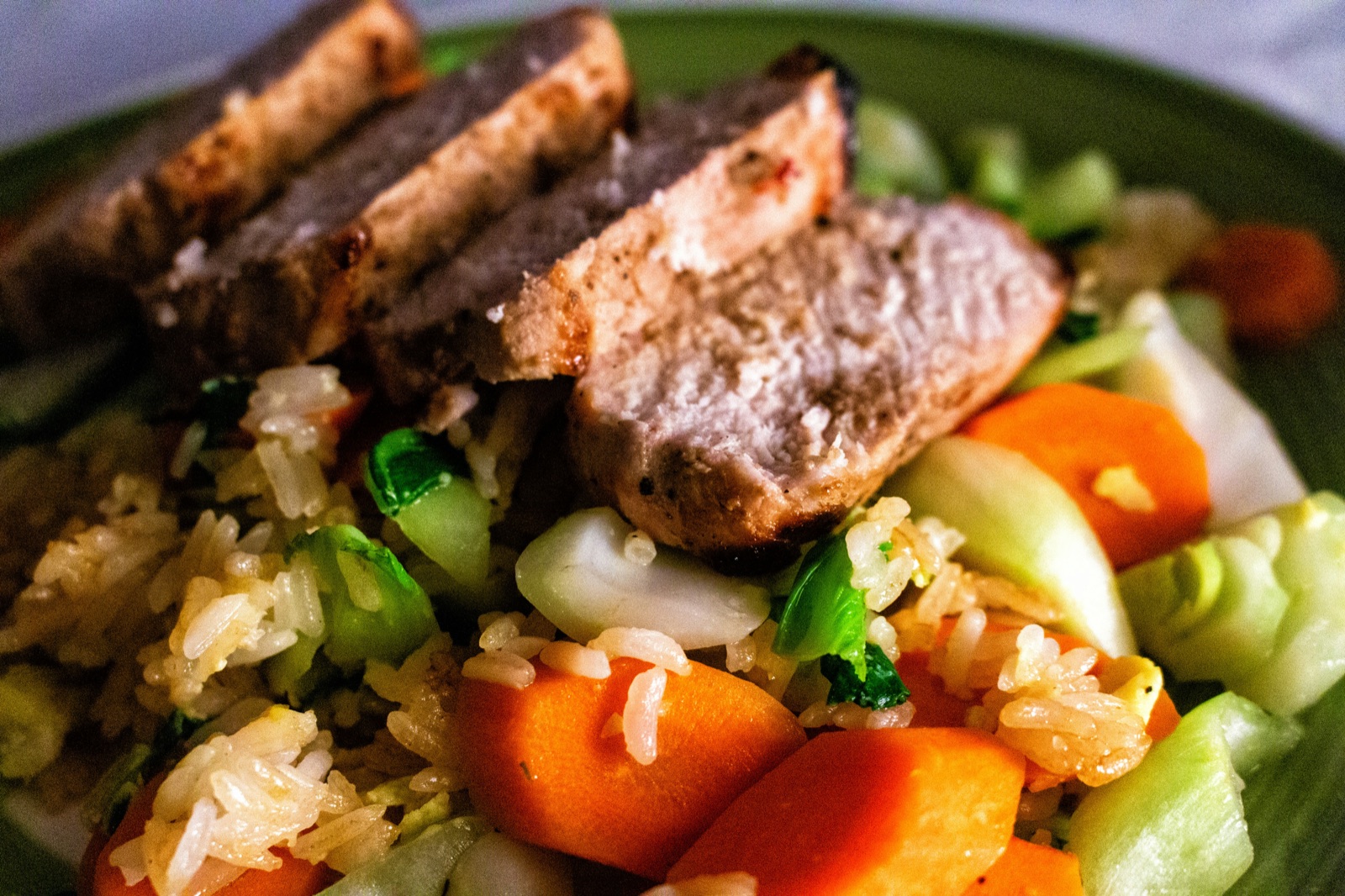
When I’m on my plan, those are foods I come back to constantly. I’m a big fan of chicken tenderloins because they’re easy to prepare and, in my experience, easier to keep from drying out. I want food I can cook, portion, and actually look forward to eating again.
The practical part matters. A meal you hate is going to be a tough sell by Thursday.
I usually prefer lean protein sources when I’m trying to keep calories controlled. That’s a preference for building my meals, not a reason to declare every food with more fat off limits. The portion and the rest of the day still matter.
And put something else on the plate. Have your protein with vegetables and a carbohydrate source that works for you. Protein can get so much attention that people start treating the rest of the meal as optional. I want a diet that supports your training and gives you a range of nutrients.
Nevy also asked what I look at on a label beyond protein. Calories, sugar, sodium, and saturated fat all deserve attention. Start with the serving size so you know what the numbers actually describe. The FDA’s label guide lays that out clearly.
Then ask the practical question: does this fit what I’m trying to do?
My top protein powders
Which brings us to the protein powders.
These are my personal picks. Taste, familiarity, and what I actually use all influenced the ranking.

Number three: Syntha-6.
Man, it tastes like a milkshake.
Put it in a little almond milk and it’s easy to understand why people like it. It was one of the first proteins I got hooked on because it tasted so good, so it holds a special place for me.
It also illustrates the tradeoff we’re talking about. A shake can taste great and bring more calories along with it. Read the label for the version you’re buying and account for what you mix into it.
Number two: Ghost.
Another one I really like for taste.
One breakfast shake I make has almond milk, almond butter, oatmeal, a banana, and Cinnamon Toast Crunch flavored Ghost protein. It tastes like a Cinnamon Toast Crunch milkshake. It’s bomb.
That’s a whole breakfast shake, though. Count the ingredients you put in the blender. Almond butter, oats, and a banana all contribute to the meal. Calling it a protein shake doesn’t make the rest disappear.
Number one: a tie between Optimum Nutrition Gold Standard and HollyFit.
Gold Standard is the OG. I’ve had a ridiculous number of those shakes over the years. It’s familiar, it does what I need it to do, and I keep coming back to it.
And yes, HollyFit is the shameless plug. It’s our own product, so I’m obviously not a neutral reviewer. I like it, and it fits what I want from a straightforward protein powder.
You don’t have to buy my favorite. Find something that fits your needs, agrees with you, and is easy to keep using.
Whey is my go-to. I also don’t organize my entire day around finding another opportunity to drink it. I usually have my shake around training, and I build the rest of the day around meals. That’s a routine that works for me.
Make a plan you can follow
Somewhere along the way, people started acting like every snack had to help finish a protein spreadsheet. Nevy brought up protein chips, packaged snacks, and convenience foods. I get why people use them. Travel happens. Work runs late. You end up at the airport without the meal you planned.
A convenient option can help in that situation. The pattern I want you to notice is when the backup starts replacing the meals you intended to eat every day.
This is an everyday fight for me, too. When I’m in a good routine, I try to stay there. When I’m not, I work on getting back to it.
I talked about making a contract with yourself. Decide what you’re going to eat ahead of time, before you’re hungry and improvising. A meal you’ve already planned gives you something concrete to follow.
That does more for me than standing in front of a shelf trying to decide which protein snack will make an unplanned day feel planned.
For the next week, make the decisions early. Pick the protein sources you enjoy. Decide what goes with them. Shop for those meals and prepare enough that a busy day doesn’t erase the plan. Put strength training on your calendar. Use a shake where it makes the day easier.
Then follow the plan long enough to learn something from it.
Get your meals together. Do the training. Pay attention to how you feel and perform. We can debate protein powders after that.
Watch the full conversation with Nevy, “Why Most People Get Protein Wrong (And How To Fix It),” on Earn Your Protocol.
Your next chapter.
Built around you.
Training, nutrition, and physician-led care. One team that sees the whole picture.
Explore HollyFit